

Beaverwatch
/By Naturalist Megan Harrison
Last month we had the pleasure of teaching Highland High School’s environmental science class. These juniors and seniors completed hikes through jack pine forests, dunes, deciduous forests, and of course, the beach. After learning about the ecology and succession in the Indiana Dunes, naturalists and students headed to the Little Calumet River for Riverwatch. Hoosier Riverwatch is a program that utilizes citizen participation for local water monitoring efforts.
The Highland environmental science class has experience monitoring water quality, but they had a new and very exciting observation: a BEAVER! Our group was busy sampling macroinvertebrate insects when the much larger beaver stole the show. This close encounter allowed students to observe, learn about unique adaptations, and explore their curiosity.

Despite the elusive nature of beavers, our group was able to spend a lot of time observing the beaver and his behaviors. For example, he entered the river by sliding down on his stomach. Beavers typically enter this way in the same spot every time creating something known as beaver slides. Once in the water, he showed off by swimming around the group, chewing on some snacks, and even laying on the bank to groom himself! Naturally, there was a flurry of cameras and cell phones from both the students and the naturalists but there was also time for a quick lesson on beaver adaptations. I can think of no better classroom for this lesson than the Little Calumet River!

Naturalists taught the students about many wildlife adaptations. For example, hair is important to mammals, but not usually vital for water dwelling animals. Since the beaver is both, they have two layers of fur. The first is for trapping in warmth, and the top layer is waterproof to keep them dry when they come back to shore. Like ducks, beavers also have webbed feet for swimming through their aquatic environment. Their tails are adapted for their underwater lifestyle as well. The classic paddle shape is important for steering underwater, but also provides balance on land. For many, including myself, this was the first time seeing these adaptations at work in the wild.
As an educator, it’s very easy for me to say how interesting or important our native species are but it’s quite another to get students to actually believe it. Seeing curious teenage minds at work was one of the most rewarding experiences that I have had in my career.

Highland High School Environmental Science Class
I believe the best way to gain an appreciation for nature is to experience it first-hand. I have learned, studied, and even taught about beavers, but have never appreciated them to this extent until that day in the river. Our only real shot at saving our beloved Mother Earth is to encourage future generations to care. This experience could not have aligned more with the mission of Dunes Learning Center: “to inspire lasting curiosity and stewardship in nature.” Thank you Highland High School for sharing this great experience with us!
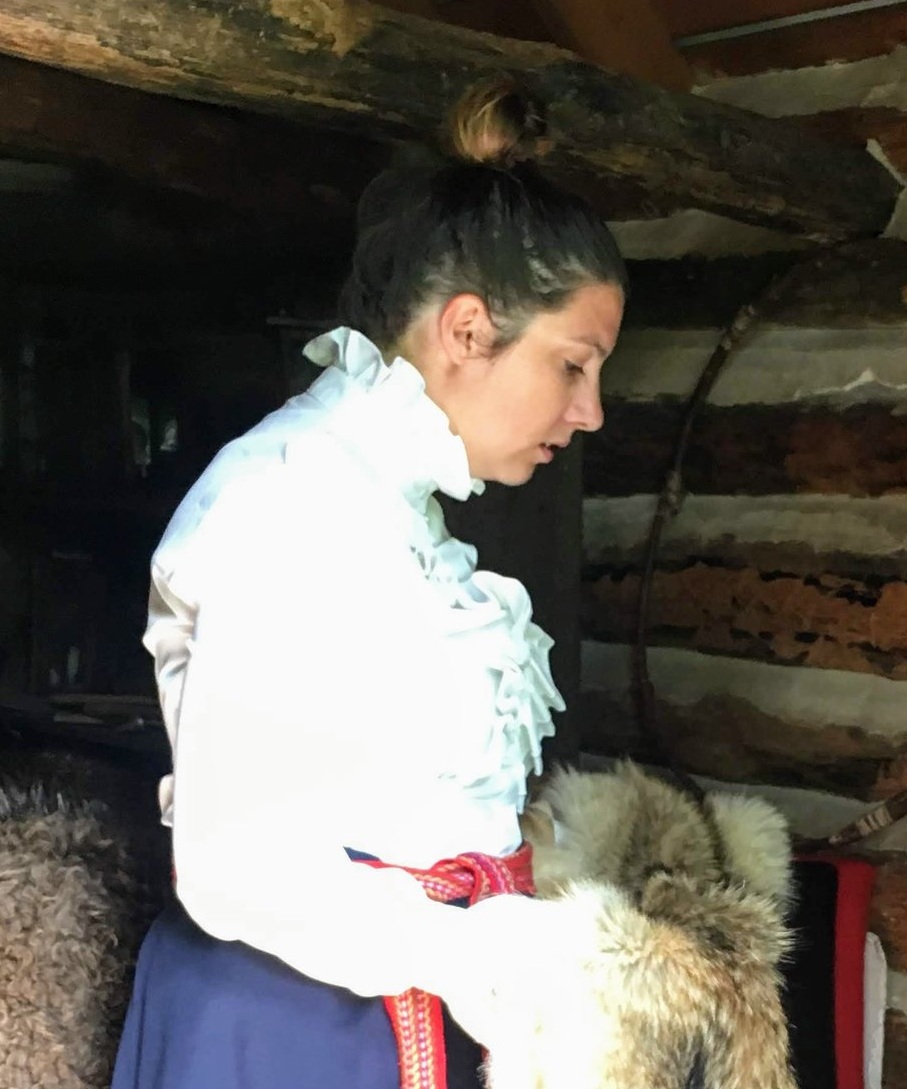
Megan Harrison
Naturalist
(In character during the Walk through Time)


