


One Person's Trash is Another Girl's Treasure!
/Written by Lauren Wizowaty
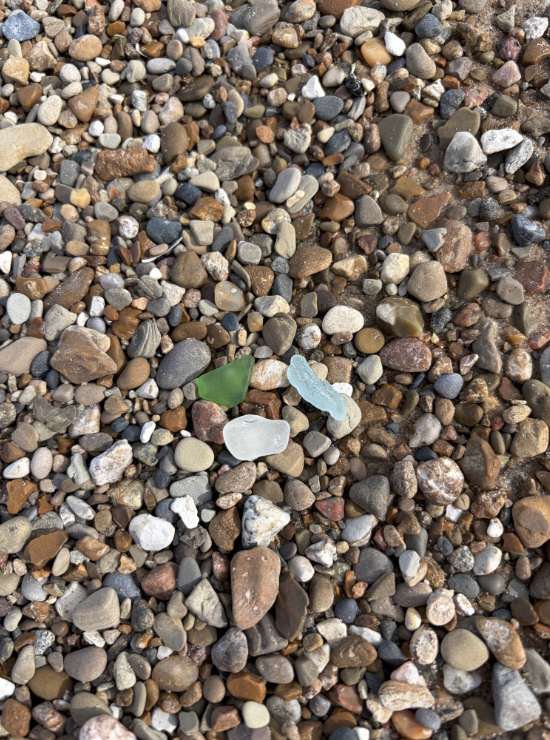
As a kid growing up in Northwest Indiana, I often visited the sandy shores of Lake Michigan. My favorite activities included skipping rocks on the water, building sand castles, or seeing how many unique rocks I could find. This routine continued until one special day, when I was partaking in my normal walk down the beach, I found a piece of smooth and frosty glass. That moment sparked curiosity and passion for beach combing. Beachcombing is a common hobby among beachgoers who search for various things such as: rocks, fossils, beach glass, shells, or driftwood. After that first piece I found when I was fifteen, looking for beach glass has turned into my favorite hobby! Many people are not sure where this glass comes from though, and often wonder did it just appear here one day or is it just from human negligence? These glass bits come from broken glass products such as broken bottles, windows, jars, lights, and many other things.
Although beach glass takes many many years to become the way it is, Lake Michigan acts as a natural rock tumbler and tumbles these pieces of glass for decades which smooths them out. Alongside this tumbling, the sand and water act as a form of natural weathering, which gives glass pieces a frosty look.
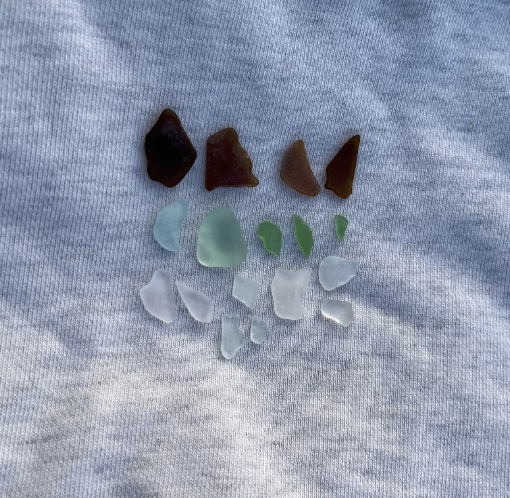
I often like to challenge myself to see how many different colors I can find, with common colors I find being clear, green, brown, and even sometimes light blue! There are a lot of rare colors of beach glass in Lake Michigan though, like cobalt blue, red, orange, purple, or pink. The colors and quantity you can find can vary by beach location and the time of year you look. When I found that first piece, I had no idea that beach glass would make such an impression on me. Since that fateful day, my collection of glass has grown and includes various shapes, sizes, and even different colors of glass. Collecting beach glass has become my favorite pastime, one I often share with my friends, which gives us all the chance to help clean up our beaches and repurpose the beautiful glass rather than waste it. One person's trash is certainly another’s treasure!
Disclaimer: Remember to always follow the National Park Service Leave No Trace guidelines while exploring our Indiana Dunes National Park. Leave rocks, plants, and other natural objects as you find them and NEVER pick any living thing!
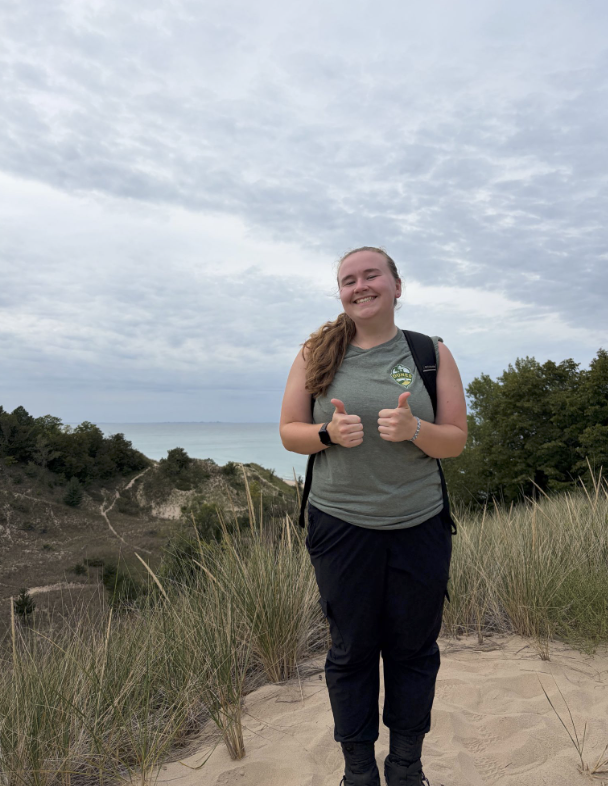
Lauren Wiszowaty: First year Environmental Education Fellow


