

Biophilia: Brightening up the Winter
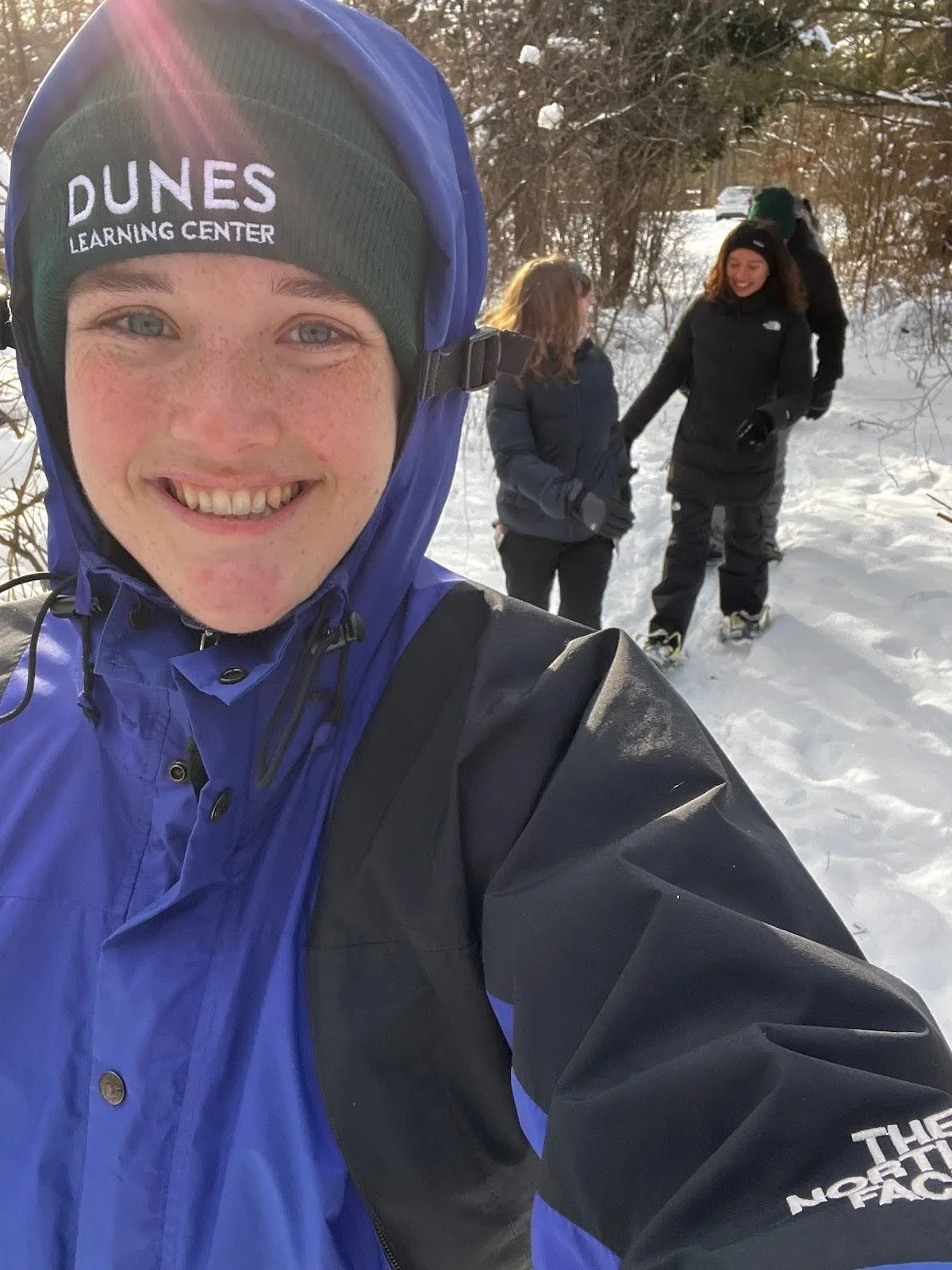
/This season, the word on my mind is biophilia, the idea that humans have an innate connection to nature–a love of life and living things. I had never heard the term before our educator training for winter programs, but I’ve always felt it. During my college days, my biophilia took the form of convincing my less outdoorsy friends to go to the park when we were stressed to our limit. As we set off down the local trails, we found ourselves breathing a little easier and laughing a little harder. When we finally returned to the car, our problems felt much smaller than before. Biophilia comes with real benefits; spending time in nature improves mental health and reduces cortisol levels, one of the body’s stress hormones. Here at the DLC, as students participate in our Adventure Academy program, they learn to navigate with compasses, build fires, and work as a team all with the goal of increasing their biophilia. Trail group leaders emphasize to our students that anything outdoors might spark your biophilia, but you have to stop and slow down long enough to observe it. This winter, the brightest spark for my love of nature has been the humble squirrel.
GRAY SQUIRREL (SCIURUS CAROLINENSIS)
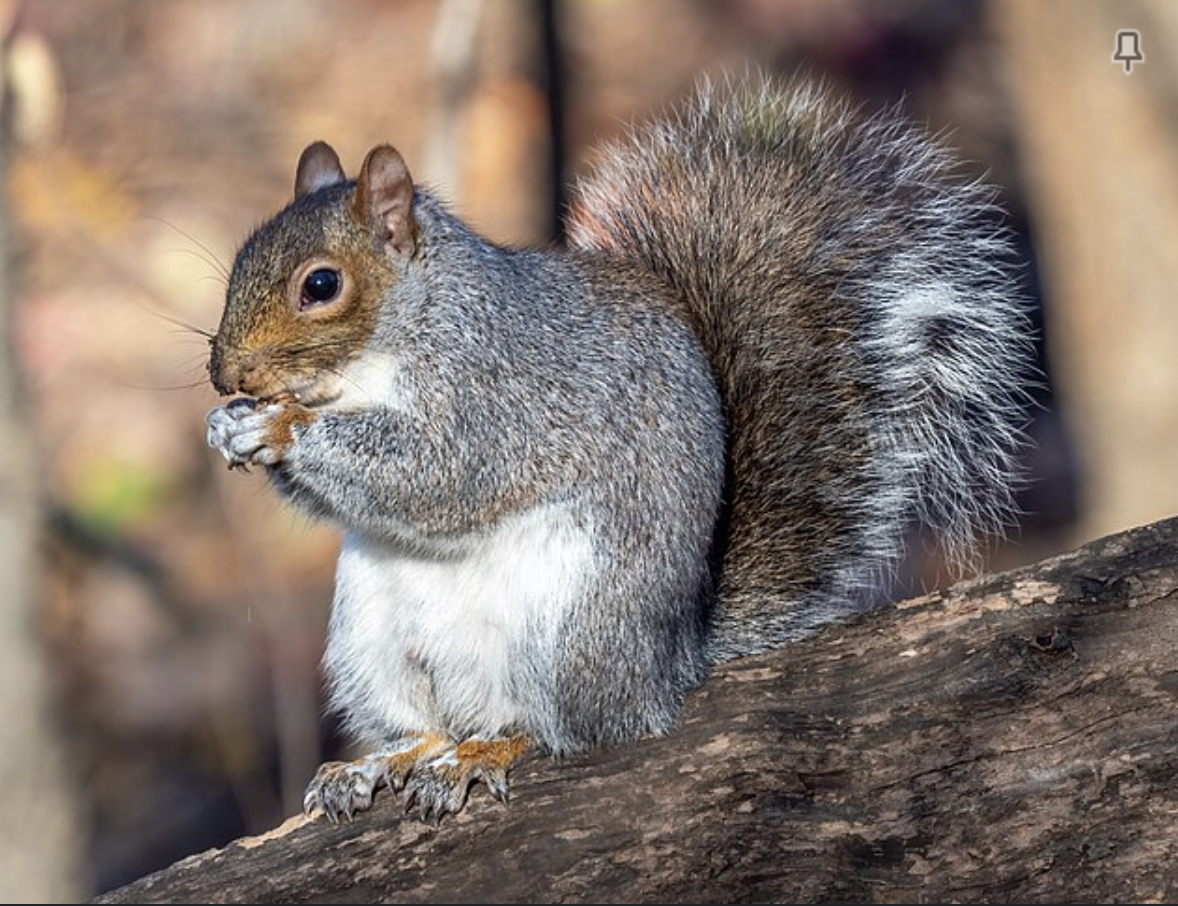
All across the Indiana Dunes, animals are utilizing their best winter adaptations to survive. The snakes are brumating in communal dens to share warmth, the coyotes have grown a thick winter coat to insulate their bodies, and the sandhill cranes have migrated south to sunny Florida. Meanwhile, the gray squirrel (Sciurus carolinensis) remains active all winter long. So, how does an animal that weighs only a pound or so find the energy to stay warm?
Perhaps the most famous of squirrels' adaptations is caching. Throughout the warmer months, squirrels gather nuts and bury them in secret spots to save for the winter when food becomes scarce. However, gray squirrels bring another level of complexity to this process–they fake out their competitors through deceptive caching. Squirrels will dig a hole and face away from any competitors they know are observing, then pretend to bury a nut while actually leaving the hole empty. They may even do this multiple times with the same nut before finally burying it in the soil. By deceptively caching, gray squirrels protect their stash from others that may be waiting to dig up their hard work.
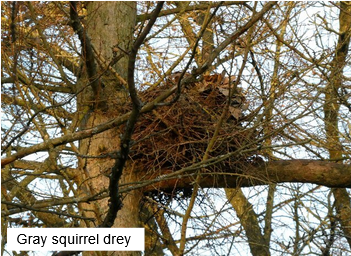
Another adaptation that helps gray squirrels to survive the winter is their well-built homes. Squirrels prefer to spend the winter in tree cavities or other protected places. However, with steep real estate competition from other animals, such as raccoons and woodpeckers, squirrels have to turn to construction. Squirrel nests, called dreys, are easy to spot once the trees lose their foliage. What looks like a big clump of dead leaves balances 20 to 30 feet in the air, usually near the trunk of the tree or at the intersection of larger, stable branches. Each drey is a carefully woven structure of sticks and bark, lined inside with moss, pine needles, dried grass, feathers, and shredded bark. They typically have only one entrance and are 1 to 2 feet in diameter. Of course, when faced with a tough housing market, the best thing to do is get some roommates. Gray squirrels overwintering in dreys often share their nests with one or more other squirrels for warmth.
The gray squirrel is one of the most common animals in our area, but it's more often viewed as a pest than a celebrated part of nature. Squirrels certainly can cause big problems; they nest in walls, chew wires, hog seeds at bird feeders, and feast in our gardens. However, their behaviors also come with plenty of benefits to the ecosystem. Throughout the process of caching, squirrels dig and disturb the soil, introducing more oxygen, which can help improve overall soil structure. Additionally, many of the nuts and seeds that squirrels bury get forgotten and left behind in the soil. Some of these seeds will sprout into new trees, rejuvenating forest growth and even impacting which tree species are dominant within the forest. Squirrels are also an important part of our local food web. They support a diverse ecosystem by serving as prey for coyotes, foxes, hawks, and owls. And to me, the greatest benefit squirrels offer is that spark of biophilia. In the long stretches of winter, it is easy to feel discouraged by the short hours of daylight and the wash of gray that seems to fall over everything. But as I look out my window or walk through the DLC campus and see a squirrel braving the cold to perform its acrobatics, it becomes something of a hero in my mind. The winter months might drag on, but the squirrels remain to make me smile.
Jenna Thayer, First Year Environmental Educator