

Summer Camp Kaleidoscope
/On a warm, sunny Monday morning, in the middle of July, a kid is dropped off at the Dunes Learning Center for a week of summer camp. They’re welcomed by their educator and moved into their cabin. A full week of hikes, games, new friends and campfire songs awaits them. But first… time to tie-dye their Summer Camp T-shirt! With every color of the rainbow at their disposal, this is their chance to freely express themselves and have fun.
The summer time is full of bright colors. Nature is expressing itself in its own tie-dye of patterns and colors. Sometimes bright colors in nature can be an invitation, like wildflowers attracting pollinators. Sometimes that rainbow can be a cautionary tale, like a tropical blue tree frog letting predators know it’s poisonous. Whatever the reason, nature’s vibrancy can be seen all around us. Here’s some pieces of the rainbow you can find at the DLC over the summer.
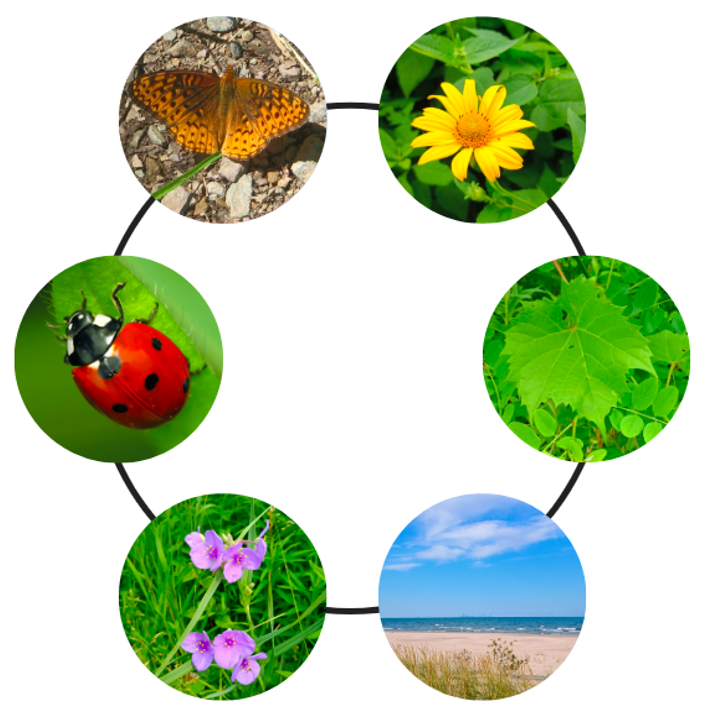
Nature’s Color Wheel
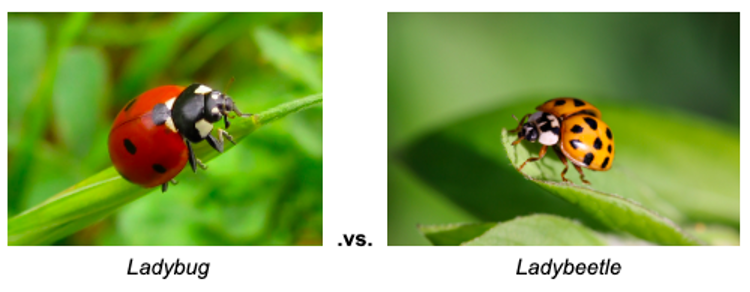
Red. You’ll have to look close to find the first color in the rainbow. A good place to start is the Secret Garden, where ladybugs like to crawl around. Ladybugs are a great creature to have in our gardens; they eat pests like aphids, protecting our fruits and vegetables. You spot them by their red shell, called an elytra, which is covered in black dots. The white spots on their back tell us this is a ladybug, not their invasive cousin, the ladybeetle.
Orange. A glowing campfire or an Aphrodite Fritillary butterfly; both a flickering kaleidoscope of oranges. Campfires are a common and fun part of summer camp, with songs, skits and s’mores to end the night of camp on a high note! Aphrodite Fritillary butterflies are as beautiful as the Greek goddess they’re named after. Their delicate patterns remind me of clouds dotting a sunset sky. The caterpillars of this butterfly feed on the first violets that bloom in the spring.
Yellow. Sunshine is of course a hallmark of summertime. But so are many wildflowers. My personal favorite is Heliopsis helianthoides, the false sunflower. This little beauty looks like a mini version of its iconic cousin, the giant sunflower, but without the huge array of seeds. Pollinators like bees and butterflies can be seen drinking their nectar all summer long. They bring so much joy and brightness to our front garden beds, and are the perfect subject for nature journaling.
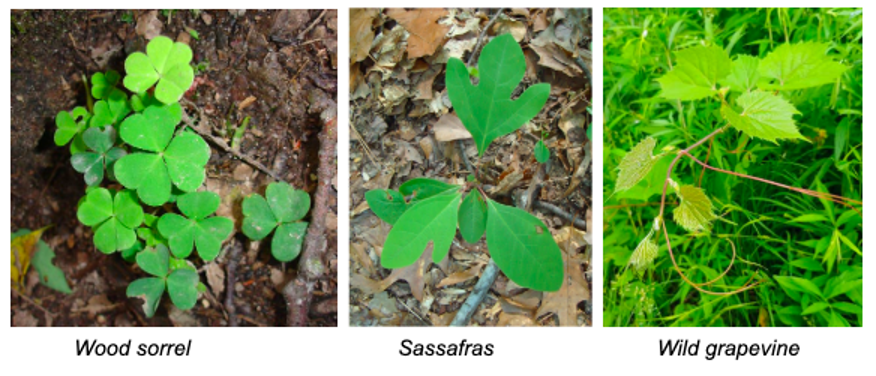
Green. All the plants are green in the summer, full of growth and healthy life. The trees are fully leafed out, and the understory and shrub layers are a verdant overgrowth. Each season of the year, the educators at the Dunes Learning Center learn about edible wild plants. Wood sorrel, wild grapevine, and sassafras are my personal favorites in the summer. The shapes of their leaves are so unique, their nutritional benefits are off the charts, and partaking of these plants is a wonderful way to be in touch with nature. We have the unique opportunity to give this experience to the kids as well, but are always mindful to only take the bare minimum from the plant and respect the natural balance of the National Park. Please don’t eat any wild plants, unless they’re given to you by a DLC educator.
Blue. Summer wouldn’t be complete without a visit to the beach! The Indiana Dunes National Park touches over 15 miles of Lake Michigan’s lakeshore. At summer camp, Wednesdays are spent at the beach, basking in the sun and splashing in the teal blue water. Lake Michigan, like all the Great Lakes, was created by glaciers that melted during the last Ice Age. As they drifted back north, they dug huge carvings into the ground, leaving their footprints, and eventually they filled with cool, clear water. Over 10 million people rely on Lake Michigan, for drinking water, for industries and for recreation!
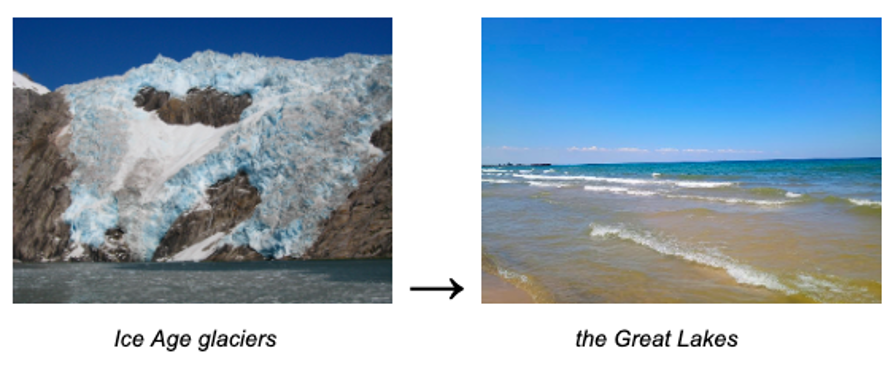
Purple. Our last color in the color wheel. It brightens up the prairies and woodlands with its vibrant hue… check out spiderwort! This cool prairie wildflower is food for pollinators like butterflies and bees. It blooms at a critical time when other wildflowers aren’t out yet or have already finished their season, so pollinators benefit hugely from this plant’s nectar. The plant’s leaves and stem make a milky white, sticky sap that resembles spider silk, hence the name. It has nothing to do with actual spiders.
The summertime is full of wonderful colors and natural beauties. Look around your home or neighborhood to see if you can spot any bright colors this summer. You can come recreate and explore at the National Park too and find all these plants and more! Just remember that this place is for everybody, including the wildlife. Happy trails!
Gabrielle Unzicker
First-Year Environmental Education Fellow


